


Foot and Ankle Doctor Blog Space

What to Know About Athlete’s Foot

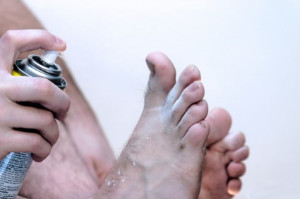
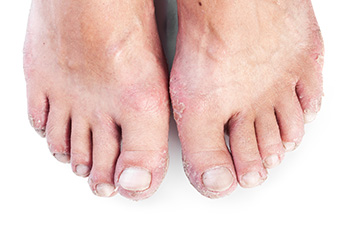
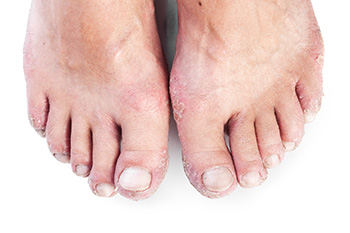
Athlete’s foot is a common fungal infection that affects the skin on the feet, especially between the toes. It thrives in warm, moist environments such as locker rooms, communal showers, and sweaty shoes. Many people first notice itching, burning, or peeling skin that becomes more irritated after activity. As the condition progresses, the skin may crack, blister, or appear scaly and red, making walking or wearing shoes uncomfortable. The fungus spreads easily through shared surfaces, wearing damp socks, or contaminated footwear. Keeping the feet clean and dry, changing socks regularly, and choosing breathable shoes can help reduce risk. Stubborn infections often require professional care to fully clear and prevent recurrence. If the itching persists, the skin becomes painful, or the infection keeps returning, it is suggested that you see a podiatrist for an evaluation and effective treatment.

Athlete’s foot is an inconvenient condition that can be easily reduced with the proper treatment. If you have any concerns about your feet and ankles, contact one of our podiatrists from Foot & Ankle Doctors, Inc. .  our doctors will treat your foot and ankle needs.

Athlete’s Foot: The Sole Story

Athlete’s foot, also known as tinea pedis, can be an extremely contagious foot infection. It is commonly contracted in public changing areas and bathrooms, dormitory style living quarters, around locker rooms and public swimming pools, or anywhere your feet often come into contact with other people.

Solutions to Combat Athlete’s Foot

  • Hydrate your feet by using lotion
  • Exfoliate
  • Buff off nails
  • Use of anti-fungal products
  • Examine your feet and visit your doctor if any suspicious blisters or cuts develop

Athlete’s foot can cause many irritating symptoms such as dry and flaking skin, itching, and redness. Some more severe symptoms can include bleeding and cracked skin, intense itching and burning, and even pain when walking. In the worst cases, Athlete’s foot can cause blistering as well. Speak to your podiatrist for a better understanding of the different causes of Athlete’s foot, as well as help in determining which treatment options are best for you.

If you have any questions please feel free to contact our offices located in Beverly Hills, Encino, Los Angeles, Los Alamitos, Pasadena, and Rolling Hills Estates CA . We offer the newest diagnostic and treatment technologies for all your foot and ankle needs.

Read more about Athlete’s Foot

Understanding Chondrosarcoma of the Talus

Chondrosarcoma of the talus is an extremely rare bone cancer that develops in the cartilage-producing cells of the ankle. Because the talus plays a central role in weight-bearing and motion, early symptoms may appear subtle and are often mistaken for routine ankle problems. People may notice persistent pain, swelling, or stiffness that does not improve with rest. As the condition progresses, discomfort may intensify, and walking can become more difficult. Unlike common ankle injuries, this type of tumor tends to cause symptoms that gradually worsen rather than improve. Early evaluation is important because accurate diagnosis requires imaging and expert assessment. A podiatrist can recognize when symptoms are out of the ordinary and guide you toward the appropriate specialists for further testing and treatment. If you have ongoing ankle pain or swelling that does not respond to typical care, it is suggested you see a podiatrist for timely evaluation.

Ankle pain can have many different causes and the pain may potentially be serious. If you have ankle pain, consult with one of our podiatrists  from Foot & Ankle Doctors, Inc. . our doctors will assess your condition and provide you with quality foot and ankle treatment.

Ankle pain is any condition that causes pain in the ankle. Due to the fact that the ankle consists of tendons, muscles, bones, and ligaments, ankle pain can come from a number of different conditions.

Causes

The most common causes of ankle pain include:

  • Types of arthritis (rheumatoid, osteoarthritis, and gout)
  • Ankle sprains
  • Broken ankles
  • Achilles tendinitis
  • Achilles tendon rupture
  • Stress fractures
  • Tarsal tunnel syndrome
  • Plantar fasciitis

Symptoms

Symptoms of ankle injury vary based upon the condition. Pain may include general pain and discomfort, swelling, aching, redness, bruising, burning or stabbing sensations, and/or loss of sensation.

Diagnosis

Due to the wide variety of potential causes of ankle pain, podiatrists will utilize a number of different methods to properly diagnose ankle pain. This can include asking for personal and family medical histories and of any recent injuries. Further diagnosis may include sensation tests, a physical examination, and potentially x-rays or other imaging tests.

Treatment

Just as the range of causes varies widely, so do treatments. Some more common treatments are rest, ice packs, keeping pressure off the foot, orthotics and braces, medication for inflammation and pain, and surgery.

If you have any questions please feel free to contact our offices located in Beverly Hills, Encino, Los Angeles, Los Alamitos, Pasadena, and Rolling Hills Estates CA . We offer the newest diagnostic tools and technology to treat your foot and ankle needs.

Read more about Ankle Pain

Keep Your Feet Healthy So You Can Stay Active

Have your feet inspected by a professional before starting a new sport or physical activity. Taking charge of your foot health will keep you in good physical condition and can help you avoid a potential injury, such as a fracture or sprained ankle.

Prevent injuries and see a foot specialist.

When Rheumatoid Arthritis Disfigures the Feet

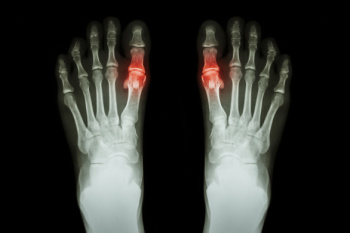
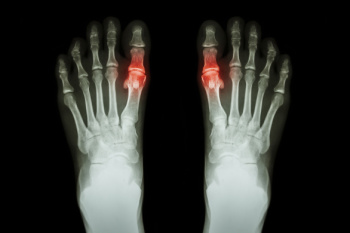
Rheumatoid arthritis can cause inflammation that damages the joints in the feet, leading to visible disfigurements and pain. Over time, the immune system attacks the lining of the joints, weakening soft tissues and causing bones to shift out of place. This may result in toes drifting toward one side, collapsed arches, bunion formation, or claw-like deformities. These changes often make walking difficult and finding comfortable shoes challenging. Early treatment helps slow joint damage and reduce discomfort. Supportive footwear, custom orthotics, and anti-inflammatory medications can relieve pressure and improve stability. In advanced cases, surgical correction may be needed to restore function and alignment. If you suffer from painful rheumatoid arthritis in your feet, it is suggested that you see a podiatrist for effective relief options.

Because RA affects more than just your joints, including the joints in your feet and ankles, it is important to seek early diagnosis from your podiatrist if you feel like the pain in your feet might be caused by RA. For more information, contact one of our podiatrists of Foot & Ankle Doctors, Inc. . our doctors will assist you with all of your podiatric concerns.

What Is Rheumatoid Arthritis?

Rheumatoid Arthritis (RA) is an autoimmune disorder in which the body’s own immune system attacks the membranes surrounding the joints. Inflammation of the lining and eventually the destruction of the joint’s cartilage and bone occur, causing severe pain and immobility.

Rheumatoid Arthritis of the Feet

Although RA usually attacks multiple bones and joints throughout the entire body, almost 90 percent of cases result in pain in the foot or ankle area.

Symptoms

  • Swelling and pain in the feet
  • Stiffness in the feet
  • Pain on the ball or sole of feet
  • Joint shift and deformation

Diagnosis

Quick diagnosis of RA in the feet is important so that the podiatrist can treat the area effectively. Your doctor will ask you about your medical history, occupation, and lifestyle to determine the origin of the condition. Rheumatoid Factor tests help to determine if someone is affected by the disease.

If you have any questions, please feel free to contact our offices located in Beverly Hills, Encino, Los Angeles, Los Alamitos, Pasadena, and Rolling Hills Estates CA . We offer the newest diagnostic and treatment technologies for all your foot care needs.
Read more about Rheumatoid Arthritis in the Feet

When Toenail Fungus Becomes More Than Cosmetic

Toenail fungus often starts subtly, with maybe a small yellow spot or thickened edge, but it can quietly progress beneath the nail’s surface, changing how the nail feels and looks. What many overlook is that it is not just a cosmetic issue. The infection weakens the nail structure, making it brittle, misshapen, and difficult to trim, which can lead to discomfort while wearing shoes. For some, it can even affect balance or walking confidence. Current treatments go beyond simple creams, using advanced options like topical solutions that penetrate the nail more effectively. Healthy nail growth takes patience, as nails renew slowly, but consistent care can make a visible difference. If your toenails are discolored, thick, or difficult to manage, it is suggested that you schedule a visit with a podiatrist for an evaluation and personalized treatment.

For more information about treatment, contact one of our podiatrists of Foot & Ankle Doctors, Inc. . our doctors can provide the care you need to keep you pain-free and on your feet.

Toenail Fungus Treatment

Toenail fungus is a condition that affects many people and can be especially hard to get rid of. Fortunately, there are several methods to go about treating and avoiding it.

Antifungals & Deterrence

Oral antifungal medicine has been shown to be effective in many cases. It is important to consult with a podiatrist to determine the proper regiment for you, or potentially explore other options.

Applying foot powder on the feet and shoes helps keep the feet free of moisture and sweat.

Sandals or open toed shoes – Wearing these will allow air movement and help keep feet dry. They also expose your feet to light, which fungus cannot tolerate. Socks with moisture wicking material also help as well.

If you have any questions please contact our offices located in Beverly Hills, Encino, Los Angeles, Los Alamitos, Pasadena, and Rolling Hills Estates CA . We offer the newest diagnostic and treatment technologies for all your foot and ankle needs.

Read more about Toenail Fungus

Recognizing and Healing Foot Stress Fractures

Tiny bone cracks in the foot often appear after repetitive strain, long walks, or sudden increases in exercise. The discomfort usually begins as a dull ache that worsens with movement and eases with rest. Swelling, tenderness, or pain in a specific spot may signal that the bone has been overstressed and needs attention. A podiatrist can identify a stress fracture through imaging tests and a hands-on exam. Treatment usually involves taking pressure off the foot so the bone can mend naturally. Supportive footwear, protective boots, or temporary use of crutches may be recommended. Once healing is underway, gentle activity helps rebuild strength and stability. If you continue to feel pain in your foot during daily activity, it is suggested that you see a podiatrist to prevent the injury from becoming more serious.

Activities where too much pressure is put on the feet can cause stress fractures. To learn more, contact one of our podiatrists from Foot & Ankle Doctors, Inc. . our doctors can provide the care you need to keep your pain free and on your feet.

Dealing with Stress Fractures of the Foot and Ankle

Stress fractures occur in the foot and ankle when muscles in these areas weaken from too much or too little use.  The feet and ankles then lose support when walking or running from the impact of the ground. Since there is no protection, the bones receive the full impact of each step. Stress on the feet can cause cracks to form in the bones, thus creating stress fractures.

What Are Stress Fractures?

Stress fractures occur frequently in individuals whose daily activities cause great impact on the feet and ankles. Stress factors are most common among:

  • Runners                                
  • People affected with Osteoporosis
  • Tennis or basketball players
  • Gymnasts
  • High impact workouts

Symptoms

Pain from the fractures occur in the area of the fractures and can be constant or intermittent. It will often cause sharp or dull pain with swelling and tenderness. Engaging in any kind of activity which involves high impact will aggravate pain.

If you have any questions please contact our offices located in Beverly Hills, Encino, Los Angeles, Los Alamitos, Pasadena, and Rolling Hills Estates CA . We offer the newest diagnostic and treatment technologies for all your foot and ankle needs.

Read more about Dealing with Stress Fractures of the Foot and Ankle

Understanding Morton’s Neuroma

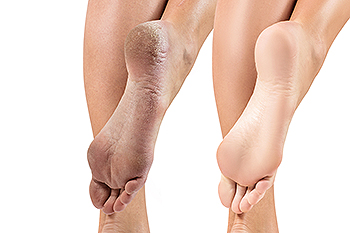
Morton’s neuroma is a painful condition affecting the ball of the foot. It occurs when the tissue surrounding a nerve, often between the third and fourth toes, becomes thickened, causing pain, burning, or a sensation of something being wedged in the shoe. The pain can worsen when walking, standing, or wearing tight shoes. The primary cause of Morton’s neuroma is excessive pressure or irritation on the nerve, often from wearing high heels, tight shoes, or engaging in repetitive activities, like running. Foot deformities, such as bunions or hammertoes, can also increase the risk. A podiatrist can help diagnose Morton’s neuroma through a physical exam and imaging tests. Treatments include wearing custom orthotics, padding, or shoe modifications to reduce pressure on the affected area. In more severe cases, corticosteroid injections or even surgery may be recommended. If you have pain in this part of your foot , it is suggested that you schedule an appointment with a podiatrist for appropriate treatment.

Morton’s neuroma is a very uncomfortable condition to live with. If you think you have Morton’s neuroma, contact one of our podiatrists of Foot & Ankle Doctors, Inc. . our doctors will attend to all of your foot care needs and answer any of your related questions.  

Morton’s Neuroma

Morton’s neuroma is a painful foot condition that commonly affects the areas between the second and third or third and fourth toe, although other areas of the foot are also susceptible. Morton’s neuroma is caused by an inflamed nerve in the foot that is being squeezed and aggravated by surrounding bones.

What Increases the Chances of Having Morton’s Neuroma?

  • Ill-fitting high heels or shoes that add pressure to the toe or foot
  • Jogging, running or any sport that involves constant impact to the foot
  • Flat feet, bunions, and any other foot deformities

Morton’s neuroma is a very treatable condition. Orthotics and shoe inserts can often be used to alleviate the pain on the forefront of the feet. In more severe cases, corticosteroids can also be prescribed. In order to figure out the best treatment for your neuroma, it’s recommended to seek the care of a podiatrist who can diagnose your condition and provide different treatment options.

If you have any questions, please feel free to contact our offices located in Beverly Hills, Encino, Los Angeles, Los Alamitos, Pasadena, and Rolling Hills Estates CA . We offer the newest diagnostic and treatment technologies for all your foot care needs.
Read more about Morton’s Neuroma

Causes of Webbed Toes

Webbed toes, medically known as syndactyly, occur when two or more toes are joined by skin, tissue, or bone. This condition develops during early fetal growth when the toes fail to fully separate before birth. Causes include genetic factors or certain developmental conditions. There are several types of webbing, including incomplete, where the toes are only partially joined, and complete, where they are connected to the tip. Webbing can also be simple, involving only skin, complex with bone fusion, or complicated with other deformities. A podiatrist can evaluate the condition, recommend treatment, and coordinate corrective surgery, if needed. If your child has been born with webbed toes, it is suggested that you consult a podiatrist who can treat this condition, monitor it, and offer expert guidance for healthy foot development.

Congenital foot problems require immediate attention to avoid future complications. If you have any concerns, contact one of our podiatrists of Foot & Ankle Doctors, Inc. . our doctors can provide the care you need to keep you pain-free and on your feet.

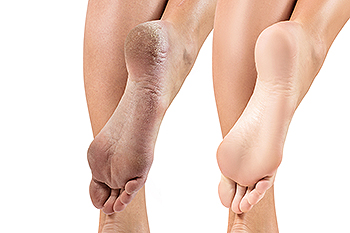
Congenital foot problems are deformities affecting the feet, toes, and/or ankles that children are born with. Some of these conditions have a genetic cause while others just happen. Some specific foot ailments that children may be born with include clubfeet, polydactyly/macrodactyly, and cleft foot. There are several other foot anomalies that can occur congenitally. What all of these conditions have in common is that a child may experience difficulty walking or performing everyday activities, as well as trouble finding footwear that fits their foot deformity. Some of these conditions are more serious than others. Consulting with a podiatrist as early as possible will help in properly diagnosing a child’s foot condition while getting the necessary treatment underway.

What are Causes of Congenital Foot Problem?

A congenital foot problem is one that happens to a child at birth. These conditions can be caused by a genetic predisposition, developmental or positional abnormalities during gestation, or with no known cause.

What are Symptoms of Congenital Foot Problems?

Symptoms vary by the congenital condition. Symptoms may consist of the following:

  • Clubfoot, where tendons are shortened, bones are shaped differently, and the Achilles tendon is tight, causing the foot to point in and down. It is also possible for the soles of the feet to face each other.
  • Polydactyly, which usually consists of a nubbin or small lump of tissue without a bone, a toe that is partially formed but has no joints, or an extra toe.
  • Vertical talus, where the talus bone forms in the wrong position causing other bones in the foot to line up improperly, the front of the foot to point up, and the bottom of the foot to stiffen, with no arch, and to curve out.
  • Tarsal coalition, when there is an abnormal connection of two or more bones in the foot leading to severe, rigid flatfoot.
  • Cleft foot, where there are missing toes, a V-shaped cleft, and other anatomical differences.
  • Macrodactyly, when the toes are abnormally large due to overgrowth of the underlying bone or soft tissue.

Treatment and Prevention

While there is nothing one can do to prevent congenital foot problems, raising awareness and receiving neonatal screenings are important. Early detection by taking your child to a podiatrist leads to the best outcome possible.

If you have any questions, please feel free to contact our offices located in Beverly Hills, Encino, Los Angeles, Los Alamitos, Pasadena, and Rolling Hills Estates CA . We offer the newest diagnostic and treatment technologies for all your foot care needs.
Read more about Congenital Foot Problems

We Can Treat Your Foot or Ankle Pain

Foot or ankle pain can negatively affect your day-to-day life and can occur due to several different conditions. Pain can also be an indicator of a more serious underlying condition, which is why you should seek professional help as soon as you notice any abnormalities in your feet.

The Trouble With Painful Ingrown Toenails

Painful ingrown toenails occur when the edge of the toenail grows into the surrounding skin, causing discomfort and sometimes becoming infected. This condition is often caused by improper nail trimming, wearing tight or narrow shoes, injury, or genetic factors. Symptoms include redness, swelling, tenderness, and pain along the side of the toenail. In severe cases, pus or drainage may be present, and walking or wearing shoes can become difficult. The affected area may look swollen and inflamed, with the skin appearing irritated or thickened. A podiatrist can diagnose ingrown toenails through a physical examination and assess the severity of any infection. Treatment options include proper nail trimming techniques, antibiotics if infection is present, and, in some cases, minor surgery to remove part of the nail. To relieve pain and prevent complications, it is suggested that you schedule an appointment with a podiatrist for expert care and advice.

Ingrown toenails may initially present themselves as a minor discomfort, but they may progress into an infection in the skin without proper treatment. For more information about ingrown toenails, contact one of our podiatrists of Foot & Ankle Doctors, Inc. . our doctors can provide the care you need to keep you pain-free and on your feet.

Ingrown Toenails

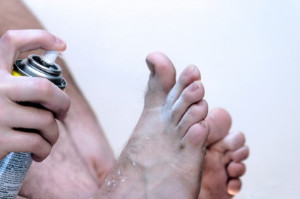
Ingrown toenails are caused when the corner or side of a toenail grows into the soft flesh surrounding it. They often result in redness, swelling, pain, and in some cases, infection. This condition typically affects the big toe and may recur if it is not treated properly.

Causes

  • Improper toenail trimming
  • Genetics
  • Improper shoe fitting
  • Injury from pedicures or nail picking
  • Abnormal gait
  • Poor hygiene

You are more likely to develop an ingrown toenail if you are obese, have diabetes, arthritis, or have any fungal infection in your nails. Additionally, people who have foot or toe deformities are at a higher risk of developing an ingrown toenail.

Symptoms

Some symptoms of ingrown toenails are redness, swelling, and pain. In rare cases, there may be a yellowish drainage coming from the nail.

Treatment

Ignoring an ingrown toenail can have serious complications. Infections of the nail border can progress to a deeper soft-tissue infection, which can then turn into a bone infection. You should always speak with your podiatrist if you suspect you have an ingrown toenail, especially if you have diabetes or poor circulation.

If you have any questions, please feel free to contact our offices located in Beverly Hills, Encino, Los Angeles, Los Alamitos, Pasadena, and Rolling Hills Estates CA . We offer the newest diagnostic and treatment technologies for all your foot care needs.
Read more about Ingrown Toenails

Make an Appointment Same Day Appointments Available

BOOK NOW