
Diabetic patients often have decreased sensitivity in their feet, which makes a visual inspection of the feet even more important. If you’re diabetic, having periodic screenings is extremely important for maintaining the overall health of your feet.


Diabetic patients often have decreased sensitivity in their feet, which makes a visual inspection of the feet even more important. If you’re diabetic, having periodic screenings is extremely important for maintaining the overall health of your feet.
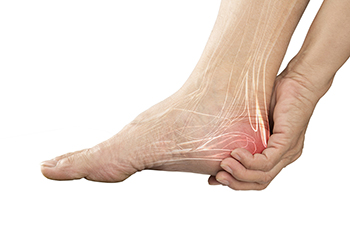
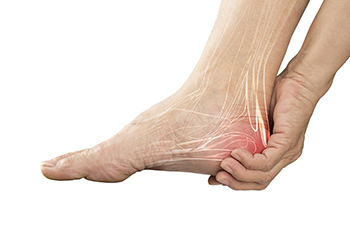
Heel bursitis causes pain at the back of the heel. It occurs when a small fluid-filled sac, called a bursa, becomes inflamed. The bursa, which sits between the Achilles tendon and the heel bone, helps reduce friction as the foot moves. When repetitive stress, tight calf muscles, poorly fitting shoes, or a bony bump on the heel create pressure, the bursa can swell and fill with excess fluid. Symptoms of heel bursitis include tenderness, swelling, and pain that worsens when walking uphill, running, or standing on tiptoes. It can sometimes be mistaken for Achilles tendonitis because both cause pain in a similar area. A podiatrist can perform a physical exam, evaluate foot structure and movement, and use imaging to confirm the diagnosis. Treatment options include custom orthotics, footwear guidance, anti-inflammatory care, or injections to reduce irritation. If you have symptoms of heel bursitis, it is suggested that you make an appointment with a podiatrist for an exam, diagnosis, and treatment.
Many people suffer from bouts of heel pain. For more information, contact one of our podiatrists of Foot & Ankle Doctors, Inc. . our doctors can provide the care you need to keep you pain-free and on your feet.
Causes of Heel Pain
Heel pain is often associated with plantar fasciitis. The plantar fascia is a band of tissues that extends along the bottom of the foot. A rip or tear in this ligament can cause inflammation of the tissue.
Achilles tendonitis is another cause of heel pain. Inflammation of the Achilles tendon will cause pain from fractures and muscle tearing. Lack of flexibility is also another symptom.
Heel spurs are another cause of pain. When the tissues of the plantar fascia undergo a great deal of stress, it can lead to ligament separation from the heel bone, causing heel spurs.
Why Might Heel Pain Occur?
Treatments
Heel pain should be treated as soon as possible for immediate results. Keeping your feet in a stress-free environment will help. If you suffer from Achilles tendonitis or plantar fasciitis, applying ice will reduce the swelling. Stretching before an exercise like running will help the muscles. Using all these tips will help make heel pain a condition of the past.
If you have any questions, please feel free to contact our offices located in Beverly Hills, Encino, Los Angeles, Los Alamitos, Pasadena, and Rolling Hills Estates CA . We offer the newest diagnostic and treatment technologies for all your foot care needs.


A metatarsal fracture is a break in one of the long bones in the front of the foot. This injury is commonly caused by direct injury, overuse, sudden increases in activity, or repetitive stress from walking or running. Symptoms include swelling, bruising, and difficulty bearing weight. The foot may look swollen or discolored, and it may feel painful with movement. In some cases, the pain increases during activity and improves with rest. A podiatrist can help by starting with a careful physical examination and imaging, such as X-rays, to confirm the diagnosis and determine severity. Treatment may include immobilization, protective footwear, pain management, and targeted exercises as healing progresses. In more severe cases, advanced support or surgical planning may be needed. Early diagnosis is important to prevent improper healing and long-term foot problems. If you think you may have a metatarsal fracture, it is suggested that you make an appointment with a podiatrist for evaluation and treatment.
A broken foot requires immediate medical attention and treatment. If you need your feet checked, contact one of our podiatrists from Foot & Ankle Doctors, Inc. . our doctors can provide the care you need to keep you pain-free and on your feet.
Broken Foot Causes, Symptoms, and Treatment
A broken foot is caused by one of the bones in the foot typically breaking when bended, crushed, or stretched beyond its natural capabilities. Usually the location of the fracture indicates how the break occurred, whether it was through an object, fall, or any other type of injury.
Common Symptoms of Broken Feet:
Those that suspect they have a broken foot shoot seek urgent medical attention where a medical professional could diagnose the severity.
Treatment for broken bones varies depending on the cause, severity and location. Some will require the use of splints, casts or crutches while others could even involve surgery to repair the broken bones. Personal care includes the use of ice and keeping the foot stabilized and elevated.
If you have any questions, please feel free to contact our offices located in Beverly Hills, Encino, Los Angeles, Los Alamitos, Pasadena, and Rolling Hills Estates CA . We offer the newest diagnostic and treatment technologies for all your foot care needs.
Read more about Causes, Symptoms, and Treatment for a Broken Foot
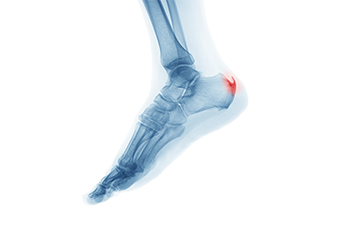
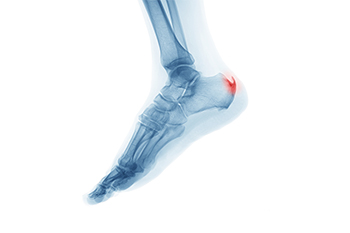
A heel spur is a bony growth that forms on the underside of the heel bone due to prolonged strain on foot muscles and ligaments. It often develops from repeated stress, inflammation, or tension on the plantar fascia. Although heel spurs are commonly associated with plantar fasciitis, they are not the same condition. Plantar fasciitis involves inflammation of soft tissue, while a heel spur is a calcium deposit on the bone. Some heel spurs cause no symptoms, but others can lead to sharp pain in the heel, especially when walking or standing. Discomfort may worsen after rest. A podiatrist can diagnose the condition and recommend appropriate treatment. If you have heel pain, it is suggested that you consult a podiatrist who can provide effective relief and treatment solutions.
Heel spurs can be incredibly painful and sometimes may make you unable to participate in physical activities. To get medical care for your heel spurs, contact one of our podiatrists from Foot & Ankle Doctors, Inc. . our doctors will do everything possible to treat your condition.
Heels Spurs
Heel spurs are formed by calcium deposits on the back of the foot where the heel is. This can also be caused by small fragments of bone breaking off one section of the foot, attaching onto the back of the foot. Heel spurs can also be bone growth on the back of the foot and may grow in the direction of the arch of the foot.
Older individuals usually suffer from heel spurs and pain sometimes intensifies with age. One of the main condition’s spurs are related to is plantar fasciitis.
Pain
The pain associated with spurs is often because of weight placed on the feet. When someone is walking, their entire weight is concentrated on the feet. Bone spurs then have the tendency to affect other bones and tissues around the foot. As the pain continues, the feet will become tender and sensitive over time.
Treatments
There are many ways to treat heel spurs. If one is suffering from heel spurs in conjunction with pain, there are several methods for healing. Medication, surgery, and herbal care are some options.
If you have any questions, please feel free to contact our offices located in Beverly Hills, Encino, Los Angeles, Los Alamitos, Pasadena, and Rolling Hills Estates CA . We offer the newest diagnostic and treatment technologies for all your foot care needs.
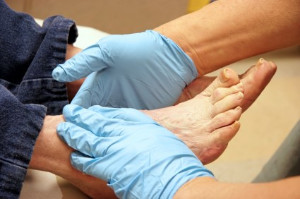
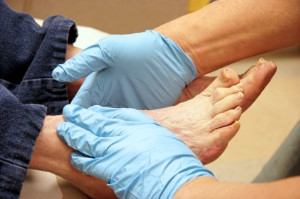
Chronic health conditions often show warning signs in the feet. Diabetes can reduce circulation and sensation, increasing the risk of wounds and infection. Arthritis may cause joint stiffness, deformity, and daily pain that alters walking patterns. Autoimmune disorders can lead to inflammation that affects tendons, ligaments, and soft tissue. Heart and kidney disease may contribute to swelling that stresses skin and joints. Additionally, poor nerve function can change balance and increase fall risk. Diagnosis involves reviewing medical history, symptoms, medications, and lifestyle factors. A podiatrist may examine skin integrity, joint movement, circulation, and nerve response. Imaging or lab testing may be used to clarify underlying causes. When chronic illness begins affecting comfort, mobility, or skin health in the feet, it is suggested that you see a podiatrist for a proper diagnosis and appropriate treatment.
When dealing with systemic disease of the feet, it is extremely important to check the affected areas routinely so that any additional problems are caught quickly. If you have any concerns about your feet and ankles contact one of our podiatrists from Foot & Ankle Doctors, Inc. . our doctors will assist you with all of your podiatric needs.
Systemic Diseases of the Feet
Systemic diseases affect the whole body, and symptoms usually are displayed in the feet. This condition can make a patient’s ability to walk unbearable. Systemic diseases include gout, diabetes mellitus, neurological disorders, and arthritis.
Gout – is caused by an excess of uric acid in the body. Common symptoms include pain, inflammation, and redness at the metatarsal/phalangeal joint of the base big toe. Gout can be treated by NSAIDs to relieve pain and inflammation, and other drugs that lower the acid levels in the body.
Diabetes mellitus – is an increase in the level of blood sugar that the body cannot counteract with its own insulin. Failure to produce enough insulin is a factor in Diabetes.
Diabetes of the Feet
Diabetic Neuropathy – may lead to damaged nerves and affect the feet through numbness and loss of sensation.
Peripheral Vascular Disease – can restrict the blood flow to the feet, and often times lead to amputation of the feet.
If you have any questions please contact our offices located in Beverly Hills, Encino, Los Angeles, Los Alamitos, Pasadena, and Rolling Hills Estates CA . We offer the newest diagnostic and treatment technologies for all your foot and ankle needs.


Drop foot is a condition where lifting the front of the foot becomes difficult, leading to dragging toes and changes in walking pattern. Specific exercises can support muscle activation and nerve communication involved in ankle and toe movement when guided by a medical professional. These exercises focus on strengthening muscles that lift the foot, improving ankle control, and enhancing balance to reduce fall risk. Gentle resistance movements, controlled ankle lifts, and coordinated gait drills help retrain proper motion. Stretching tight calf and foot muscles can improve foot positioning during walking. A podiatrist identifies the underlying cause, evaluates nerve and muscle function, and creates a structured treatment plan that may include supervised exercises, bracing recommendations, and ongoing monitoring to prevent secondary foot problems. If you have symptoms of drop foot, it is suggested that you make an appointment with a podiatrist for an exam, diagnosis, and treatment.
If you have any concerns about your feet, contact one of our podiatrists from Foot & Ankle Doctors, Inc. . our doctors can provide the care you need to keep you pain-free and on your feet.
Biomechanics in Podiatry
Podiatric biomechanics is a particular sector of specialty podiatry with licensed practitioners who are trained to diagnose and treat conditions affecting the foot, ankle and lower leg. Biomechanics deals with the forces that act against the body, causing an interference with the biological structures. It focuses on the movement of the ankle, the foot and the forces that interact with them.
A History of Biomechanics
Modern technological improvements are based on past theories and therapeutic processes that provide a better understanding of podiatric concepts for biomechanics. Computers can provide accurate information about the forces and patterns of the feet and lower legs.
Understanding biomechanics of the feet can help improve and eliminate pain, stopping further stress to the foot.
If you have any questions please feel free to contact our offices located in Beverly Hills, Encino, Los Angeles, Los Alamitos, Pasadena, and Rolling Hills Estates CA . We offer the newest diagnostic and treatment technologies for all your foot and ankle needs.


Do you work on your feet all day and find your feet in pain? Don’t go to work in pain each day. Your foot pain can be treated, and we can help.
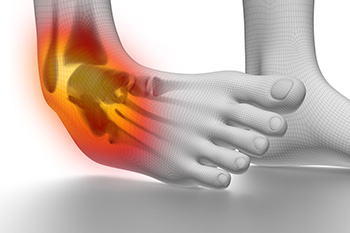
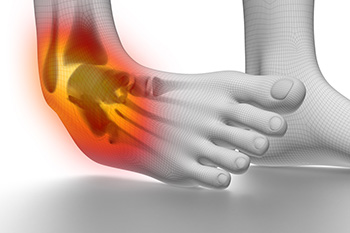
Gentle exercises play an important role in recovering from an ankle sprain and restoring strength and movement. One common option is the ankle alphabet, where the foot traces letters in the air to encourage controlled motion in multiple directions. Side to side knee swings, performed while seated with the foot flat on the floor, help improve ankle flexibility and ease stiffness without added strain. Towel scrunch exercises focus on strengthening the small muscles of the foot by gripping and pulling a towel with the toes. These movements support balance and stability as healing progresses. Exercises should be done slowly and within a comfortable range. A podiatrist can recommend when to begin these activities and how to progress safely. Proper guidance helps reduce reinjury risk and promotes a more confident return to walking and daily activities. If you have sustained an ankle sprain, it is suggested that you see a podiatrist for a proper diagnosis and treatment, which may include healing exercises.
Ankle sprains are common but need immediate attention. If you need your feet checked, contact one of our podiatrists from Foot & Ankle Doctors, Inc. . our doctors can provide the care you need to keep you pain-free and on your feet.
How Does an Ankle Sprain Occur?
Ankle sprains take place when the ligaments in your ankle are torn or stretched beyond their limits. There are multiple ways that the ankle can become injured, including twisting or rolling over onto your ankle, putting undue stress on it, or causing trauma to the ankle itself.
What Are the Symptoms?
Preventing a Sprain
Treatment of a Sprain
Treatment of a sprain depends on the severity. Many times, people are told to rest and remain off their feet completely, while others are given an air cast. If the sprain is very severe, surgery may be required.
If you have suffered an ankle sprain previously, you may want to consider additional support such as a brace and regular exercises to strengthen the ankle.
If you have any questions please feel free to contact our offices located in Beverly Hills, Encino, Los Angeles, Los Alamitos, Pasadena, and Rolling Hills Estates CA . We offer the newest diagnostic tools and technology to treat your foot and ankle needs.
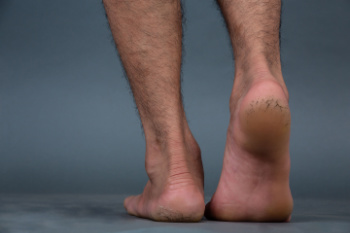
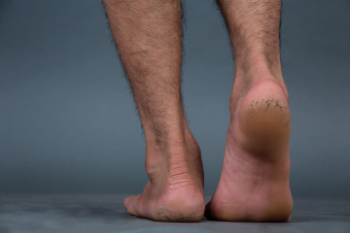
Cracked heels and fissures are more than a cosmetic concern and often signal underlying skin stress. Diagnosis begins with a visual exam of the heels to assess depth, width, and location of the cracks. Shallow splits may appear dry and rough, while deeper fissures can be painful and may bleed. The surrounding skin is evaluated for thickening, redness, or signs of infection. A podiatrist also considers contributing factors, such as pressure patterns, footwear, standing time, and skin conditions that affect moisture balance. Circulation and sensation may be checked, especially in people with diabetes or nerve changes, since healing risks are higher. Understanding how long the cracks have been present and whether pain has increased helps guide care decisions. Proper diagnosis allows treatment to focus on both healing and prevention. If heel cracks become painful, deep, or recurrent, it is suggested that you see a podiatrist for an accurate diagnosis and appropriate treatment.
Cracked heels are unsightly and can cause further damage to your shoes and feet. If you have any concerns, contact one of our podiatrists from Foot & Ankle Doctors, Inc. . our doctors can provide the care you need to keep you pain-free and on your feet.
Cracked Heels
Cracked heels appear unappealing and can make it harder for you walk around in sandals. Aside from looking unpleasant, cracked heels can also tear stockings, socks, and wear out your shoes. There are several methods to help restore a cracked heel and prevent further damage.
How Do You Get Them?
Dry skin is the number one culprit in creating cracked heels. Many athletes, walkers, joggers, and even swimmers suffer from cracked heels. Age and skin oil production play a role to getting cracked heels as well.
Promote Healing
Over the counter medicines can help, especially for those that need instant relief or who suffer from chronic dry feet.
Wear Socks – Wearing socks with medicated creams helps lock in moisture.
Moisturizers – Applying both day and night will help alleviate dryness which causes cracking.
Pumice Stones – These exfoliate and remove dead skin, which allows for smoother moisturizer application and better absorption into the skin.
Change in Diet
Eating healthy with a well-balanced diet will give the skin a fresh and radiant look. Your body responds to the kinds of food you ingest. Omega-3 fatty acids and zinc supplements can also revitalize skin tissue.
Most importantly, seek professional help if unsure how to proceed in treating cracked heels. A podiatrist will help you with any questions or information needed.
If you have any questions, please feel free to contact our offices located in Beverly Hills, Encino, Los Angeles, Los Alamitos, Pasadena, and Rolling Hills Estates CA . We offer the newest diagnostic and treatment technologies for all your foot care needs.
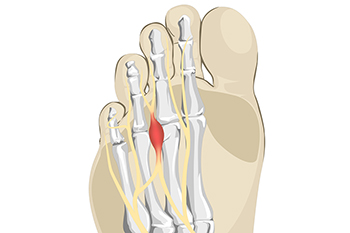
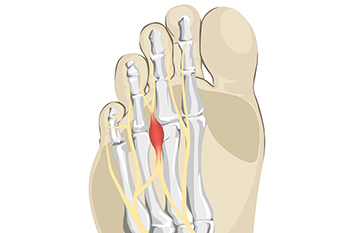
Morton’s neuroma is a painful foot condition that involves thickening and irritation of a nerve that runs between the metatarsal bones at the base of the toes. It is commonly caused by compression of the nerve, which disrupts normal sensation between the ends of the metatarsals. Wearing tight shoes that squeeze the forefoot can increase pressure in this area and worsen symptoms over time. Common signs include pain in the ball of the foot, a burning sensation, tingling, or the feeling of standing on a small pebble. A podiatrist can diagnose Morton’s neuroma through a physical examination and imaging, when needed. Treatment may include footwear modifications, orthotics, targeted therapies, and pain relief strategies. If you have pain in this part of your foot, it is suggested that you schedule a visit with a podiatrist who can accurately diagnose and treat what may be going on.
Morton’s neuroma is a very uncomfortable condition to live with. If you think you have Morton’s neuroma, contact one of our podiatrists of Foot & Ankle Doctors, Inc. . our doctors will attend to all of your foot care needs and answer any of your related questions.
Morton’s Neuroma
Morton’s neuroma is a painful foot condition that commonly affects the areas between the second and third or third and fourth toe, although other areas of the foot are also susceptible. Morton’s neuroma is caused by an inflamed nerve in the foot that is being squeezed and aggravated by surrounding bones.
What Increases the Chances of Having Morton’s Neuroma?
Morton’s neuroma is a very treatable condition. Orthotics and shoe inserts can often be used to alleviate the pain on the forefront of the feet. In more severe cases, corticosteroids can also be prescribed. In order to figure out the best treatment for your neuroma, it’s recommended to seek the care of a podiatrist who can diagnose your condition and provide different treatment options.
If you have any questions, please feel free to contact our offices located in Beverly Hills, Encino, Los Angeles, Los Alamitos, Pasadena, and Rolling Hills Estates CA . We offer the newest diagnostic and treatment technologies for all your foot care needs.